Eddie Emma DeGrand, LCSW
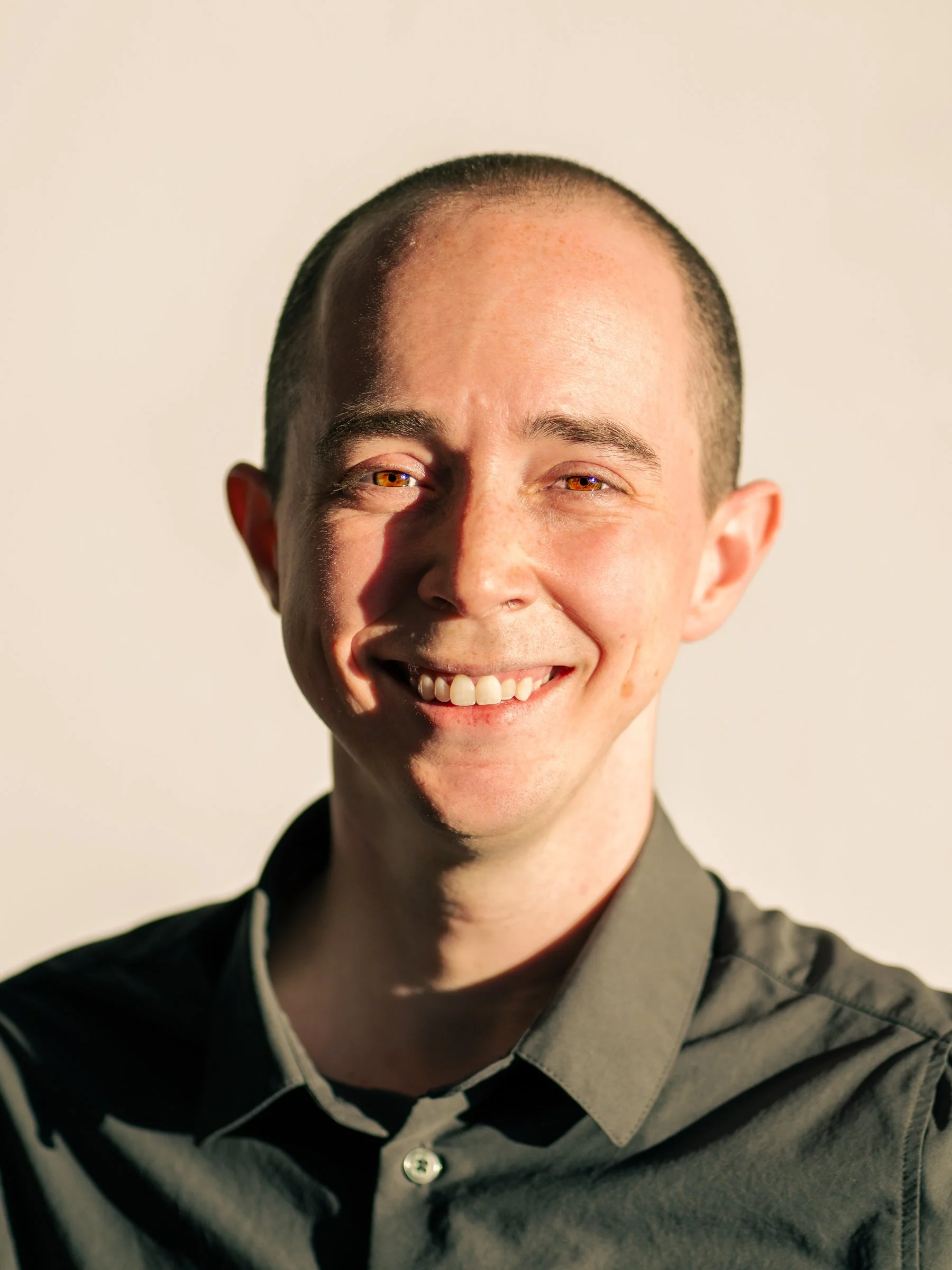
Psychodynamic psychotherapy in downtown Manhattan.
Hi, I’m Eddie. I’m an independently licensed psychotherapist with 10 years of experience and advanced clinical training.

Bio
I graduated in 2016 from the Hunter College Silberman School with a Master of Social Work, clinical track. Since then, I have worked primarily with LGBTQ people and those living with epilepsy or another neurological disability. I have had the privilege of working in direct service throughout my career, including immediate-response crisis counseling, outpatient psychotherapy, and inpatient psychosocial support, collaborating with interdisciplinary medical teams.
In addition to my license in clinical social work (LCSW), my advanced training includes coursework at the International Psychotherapy Institute and the Institute for Contemporary Psychotherapy. I graduated in 2026 from the two-year psychodynamic psychotherapy program at the Psychoanalytic Association of New York (PANY), affiliated with the NYU Grossman School of Medicine.
I am passionate about providing accessible, high-quality mental health services for adults and adolescents who may feel excluded by traditional psychotherapy settings, especially trans people and people living with developmental disabilities. I firmly reject gender essentialism in all aspects of my work, and I reject therapeutic modalities meant to mask rather than accommodate accessibility needs. I view education and service provision as inseparable, and take a playful, warm, and curious stance in my clinical work.
Approach
I practice psychodynamic psychotherapy. Rooted in psychoanalysis, this is a specialized form of depth therapy that makes room for unconscious motivations, longings, and emotional needs.
Therapy with me is a collaborative process. Sessions are weekly (or more) and the focus is on the internal and interpersonal dynamics that shape who you are.
-
The human mind is more than the sum of its parts. Countless dynamics exist in our lives that connect us to our world and transform us, constantly. This is true within our minds too: countless desires, impulses, longings, and anxieties coexist within us and make us who we are. Most of these processes happen outside of our awareness, but have a strong influence on our behavior and the quality of our lives.
Sometimes, a habitual mental process, longstanding unmet emotional need, or other deeply impactful experience has a particular hold on us and limits our ability to step into the fullness of who we want to be.
-
In therapy, you say the thoughts that come to mind as they come, and we look together for patterns, symbolism, emerging themes, belief systems, and the experiences and relationships that have been formative for you. This can lead in a lot of different directions depending on the person and the core question or problem that brings you to therapy. Sometimes therapy can, over time, offer clarity and an opportunity to safely work through painful or destructive behavior in close relationships. Therapy can help you experiment with new habits, new ways to communicate, and new methods of implementing your values in your daily life. It can also help you understand what’s holding you back, how, and why. We’ve come a long way from the “talking cure” of the early 20th century, but the same logic stands: when we think about and talk about the mental processes that sustain us, we are less compelled to repeat the cycles that limit our capacity for rich and meaningful lives.
-
There’s no one-size-fits-all approach to psychotherapy, and most therapists use a combination of different interventions - some behavioral and some insight-oriented. A psychodynamic approach is most effective for people navigating longstanding relationship patterns, mood difficulties, or somatic symptoms that are deeply rooted and need more than a simple change in behavior or thinking. This is typically a longer-term treatment in which progress is less measurable and more felt. If you are interested in an open-ended, process-focused therapy, this could be the right place for you.
-
I follow the guidelines set by the World Professional Association for Transgender Health (WPATH), the National Association for Social Workers (NASW) and the American Academy of Pediatrics (AAP). That means that I do not pathologize gender identity, gender fluidity, or any changes in a person’s gender expression or identity over time, regardless of their age, demographics, mental health issues, or medical conditions. I view medical transition - at any age - as a personal decision that should be made by an individual patient (and family, when indicated) and I refer to endocrinologists and gender specialists when needed/desired. Most importantly: the only person who decides who you are is you.
Fee, insurance, and sliding scale
To request a sliding scale rate, let me know the session fee you think you can afford when you book your first appointment. You can use out of network benefits to subsidize this fee.
For those who have the means to pay my full fee, I ask for 250/session. This is roughly double what most insurance plans cover. It means I can afford specialized, high-quality education that allows me to provide truly effective mental health care, and retain the ability to reserve a significant percentage of my caseload for low income patients.
I’m independently in network with Medicare. You can verify your plan with me prior to your first appointment by contacting me at eddiedegrandtherapy@gmail.com.
I accept Aetna via Headway and Alma. I have limited availability for this plan.
I’m a member of the Psychotherapy Action Network.

15-minute and longer consultations are available. To request a consultation, complete the contact form below. I generally respond to requests within about one business day.